- American Realist
- Posts
- After Tariff Strikedown, Trump Issues Intriguing Response
After Tariff Strikedown, Trump Issues Intriguing Response
Now, what could this mean?
In partnership with

Unbiased News Trusted by 2.3 Million Americans!

The Flyover offers a refreshing alternative to traditional news.
Tired of biased headlines and endless scrolling? We deliver quick, fact-focused coverage across politics, business, sports, tech, science, and more—cutting through the noise of mainstream media.
Our experienced editorial team finds the most important stories of the day from hundreds of sources, so you don’t have to.
Join over 2.3 million readers who trust The Flyover to start their day informed, confident, and ahead of the curve.
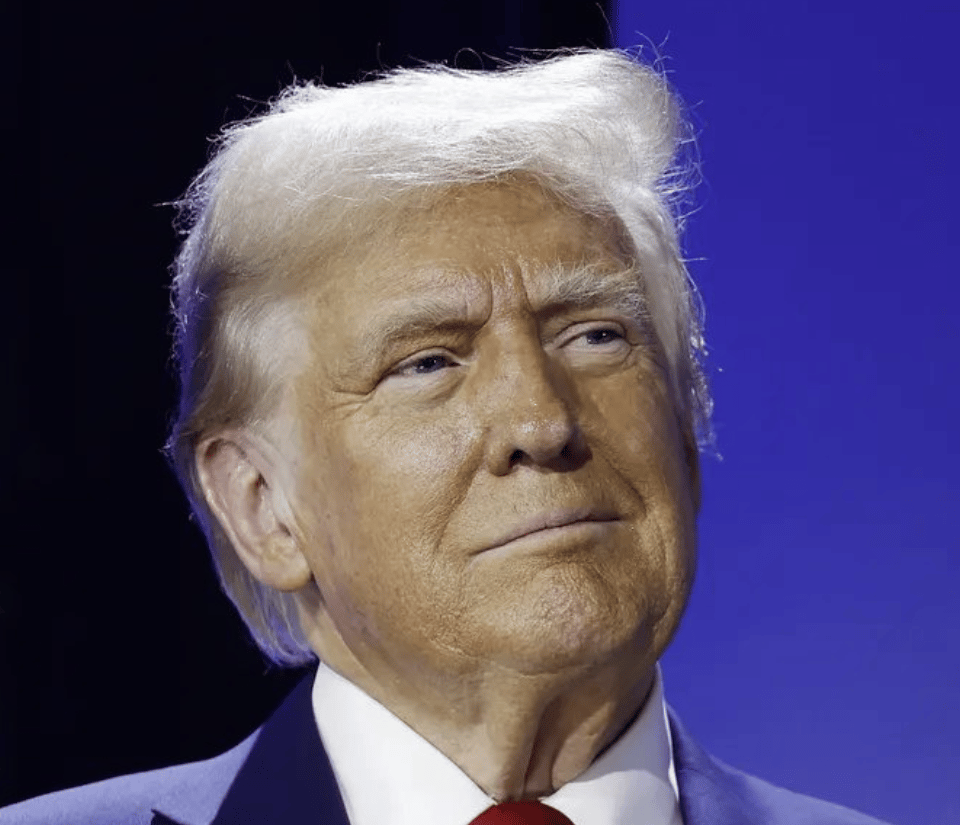
Things are about to get interesting, very interesting. On this crisp February morning in 2026, the U.S. Supreme Court delivered a pivotal 6-3 decision that struck down President Donald Trump's "reciprocal" tariffs imposed on most U.S. trading partners back in April 2025. The ruling, which came down just hours ago, has sent ripples through financial markets, political circles, and everyday conversations about trade policy. At its core, the decision questions the boundaries of presidential power in economic matters, particularly under emergency statutes. But Trump, never one to back down from a fight, has already hinted at a "backup plan" to keep his trade agenda alive. Let's unpack what happened, why it matters, and where things might head next, all while considering the balanced perspectives on tariffs that have long divided economists and policymakers.
To understand the ruling, we need to rewind to the origins of these tariffs. Upon returning to the White House after his 2024 election victory, President Trump wasted no time in reviving his signature protectionist policies. In April 2025, he announced a sweeping set of "reciprocal" tariffs, targeting imports from countries he accused of unfair trade practices. These measures affected everything from electronics and automobiles to agricultural goods, aiming to level the playing field for American workers and industries. Trump justified the move under the International Emergency Economic Powers Act (IEEPA), a law originally designed for national emergencies like wartime sanctions or responses to foreign threats. He argued that ongoing trade imbalances posed a genuine economic emergency, allowing him to bypass Congress and act unilaterally.
Opponents, including a coalition of business groups, importers, and some lawmakers from both parties, challenged the tariffs in court almost immediately. They contended that Trump's use of IEEPA stretched the law beyond its intended scope, turning a tool for true crises into a blanket authority for routine trade policy. The case made its way through the federal courts, with lower rulings mixed but ultimately favoring the challengers on key points. By the time it reached the Supreme Court, the debate had crystallized around constitutional questions: How much leeway does the president have in declaring economic emergencies, and does this encroach on Congress's authority over commerce?
In today's decision, the conservative-leaning Supreme Court sided with the challengers in a 6-3 vote. The majority opinion, penned by Chief Justice John Roberts, held that the tariffs represented an "unlawful expansion" of emergency powers under IEEPA. The justices emphasized that while presidents have broad discretion in foreign affairs, economic policies like tariffs typically require legislative backing to avoid overreach. They pointed out that IEEPA was meant for short-term, targeted responses to specific threats, not ongoing trade wars. Dissenting justices, including some of Trump's appointees, argued that the law's language grants flexibility in interpreting what constitutes an emergency, especially in a global economy where trade deficits could undermine national security.
The ruling doesn't dismantle all tariffs—previous ones on steel and aluminum, imposed under different authorities like Section 232 of the Trade Expansion Act of 1962, have withstood legal scrutiny. But it invalidates the bulk of the 2025 measures, potentially forcing refunds or adjustments for affected businesses. Economists estimate that these tariffs have already added costs to U.S. households, with some analyses suggesting an annual burden of around $1,300 per family through higher prices on imported goods. On the flip side, supporters claim they've boosted domestic manufacturing jobs in sectors like steel and tech, creating a trade-off between consumer costs and economic resilience.
Markets didn't take the news lightly. Stocks dipped sharply in early trading, with the Dow Jones Industrial Average falling over 500 points within the first hour. Investors fear that uncertainty could reignite inflation pressures, especially if supply chains face further disruptions. Global partners, from the European Union to China, have expressed relief but caution, noting that retaliatory measures they imposed in response might linger until the dust settles.
Enter Trump's response: mere hours after the ruling, the president took to social media and a press briefing to announce a "backup plan." While details remain sparse, insiders suggest he'll pivot to alternative legal avenues, such as expanding Section 232's national security provisions. This section has proven more resilient in court, as it ties tariffs directly to protecting vital industries from foreign vulnerabilities. Trump described the Supreme Court's decision as "another witch hunt" but vowed to "protect American workers no matter what." His team is reportedly drafting executive orders to reimpose similar duties under this framework, potentially framing trade imbalances as security risks rather than emergencies.
This shift could test the limits of Section 232, which critics argue has been abused in the past for non-security issues. Proponents, however, see it as a necessary tool in an era of geopolitical tensions, where reliance on foreign supply chains—for chips, rare earths, or energy—could leave the U.S. exposed. The middle ground here acknowledges both views: Tariffs can safeguard strategic sectors and encourage domestic investment, but they also risk escalating into broader conflicts that hurt exporters and consumers alike. Studies show mixed results from past tariff rounds—some job gains in protected industries, offset by losses elsewhere and higher costs overall. The debate isn't about good versus bad; it's about weighing short-term pains against long-term gains in a complex global economy.
Looking ahead, Congress might step in to clarify presidential powers, though partisan divides make that unlikely in the near term. Bipartisan bills have floated ideas for more oversight on trade actions, but gridlock persists. Meanwhile, businesses are scrambling to adapt: Importers might seek exemptions or shift sourcing, while exporters brace for potential retaliation.
In the end, this ruling underscores the ongoing tug-of-war between executive action and checks and balances in U.S. trade policy. Trump's backup plan keeps the pressure on, ensuring that tariffs remain a hot-button issue. Whether this leads to economic fortification or unnecessary friction depends on how it's executed. For now, one thing's clear: The trade landscape is evolving, and all eyes are on what comes next. As Americans navigate these changes, the key is finding policies that balance protection with openness, fostering growth without isolation.